When someone is diagnosed with cancer, one of the first questions they ask is:
“What treatment will I need?”
Today, cancer care offers several effective treatment options. The most common are chemotherapy, immunotherapy, and targeted therapy. Each works in a different way, and understanding these options can help patients feel more confident and informed during their treatment journey.
Chemotherapy: Treating Cancer Cells Throughout the Body
Chemotherapy uses medicines that destroy fast-growing cancer cells. It works by stopping cancer cells from growing and dividing.
How chemotherapy works
- Travels through the bloodstream
- Targets rapidly dividing cells
- Can treat cancer anywhere in the body
When chemotherapy is used
- To shrink tumors
- To destroy cancer cells after surgery
- For advanced or widespread cancers
- In combination with other treatments
Common side effects
Chemotherapy may also affect healthy fast-growing cells, which can cause:
- Hair loss
- Fatigue
- Nausea
- Low blood counts
Modern supportive care helps control many of these side effects, making treatment more manageable.
Immunotherapy: Helping the Immune System Fight Cancer
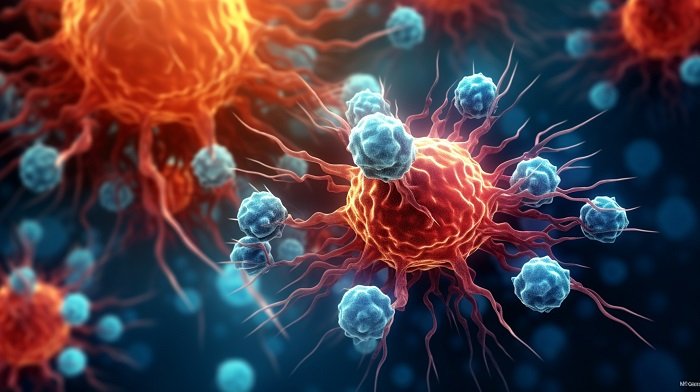
Immunotherapy works by strengthening the body’s own immune system so it can recognize and attack cancer cells more effectively.
How immunotherapy works
- Activates immune cells
- Removes barriers that stop the immune system from fighting cancer
- Helps the body remember cancer cells
Who benefits most
Immunotherapy is especially effective in cancers with certain biomarkers. Tests help doctors identify patients who are most likely to respond.
Benefits of immunotherapy
- Long-lasting responses in some patients
- Fewer side effects compared to chemotherapy
- Improved quality of life
Targeted Therapy: Precision Treatment for Cancer
Targeted therapy focuses on specific genetic changes or proteins that help cancer cells grow. Instead of attacking all fast-growing cells, it targets cancer more precisely.
How targeted therapy works
- Blocks cancer-specific pathways
- Stops tumor growth
- Causes less damage to normal cells
Advantages
- More precise treatment
- Fewer side effects
- Better tolerance for many patients
Targeted therapy is often guided by genetic tests such as Next-Generation Sequencing (NGS).
How Doctors Choose the Right Treatment
Treatment decisions are based on:
- Type and stage of cancer
- Tumor biology and genetic profile
- Patient’s age and overall health
- Treatment goals and quality of life
Often, treatments are combined for the best results—for example, chemotherapy with immunotherapy or targeted therapy.
The Role of Personalized Cancer Care
Not every patient needs the same treatment. Modern cancer care focuses on personalized therapy, ensuring that each patient receives the most effective and safest option for their specific condition.
Living Well During Cancer Treatment
Regardless of the treatment type, supportive care plays a vital role in:
- Managing side effects
- Maintaining nutrition and strength
- Emotional and psychological support
- Improving daily comfort
In Summary
- Chemotherapy treats cancer throughout the body
- Immunotherapy empowers the immune system
- Targeted therapy attacks cancer with precision
Advances in cancer treatment mean more options, better outcomes, and improved quality of life for patients.
A Message for Patients
Cancer treatment is not the same for everyone. With the right guidance and personalized approach, patients can receive treatment that is both effective and compassionate.