Pain Management
Pain Management
Pain management focuses on relieving pain and improving comfort for patients during and after cancer treatment. Pain can be caused by cancer itself, treatments like chemotherapy or radiation, or related medical conditions. Effective pain control helps patients maintain a better quality of life and continue daily activities with confidence.
Understanding Cancer-Related Pain
Cancer pain can vary from mild to severe and may be:
Continuous or occasional
Localised or widespread
Physical, nerve-related, or emotional
Proper assessment is the first step to managing pain effectively.
Personalised Pain Management Plans
Every patient experiences pain differently. Pain management plans are customised based on:
Type and cause of pain
Cancer stage and treatment phase
Overall health and tolerance
Emotional and psychological well-being
The goal is to provide maximum relief with minimum side effects.
Pain Management Approaches
A combination of therapies may be used, including:
Oral pain medications
Nerve pain treatments
Anti-inflammatory drugs
Advanced analgesic therapies
Supportive medications to reduce side effects
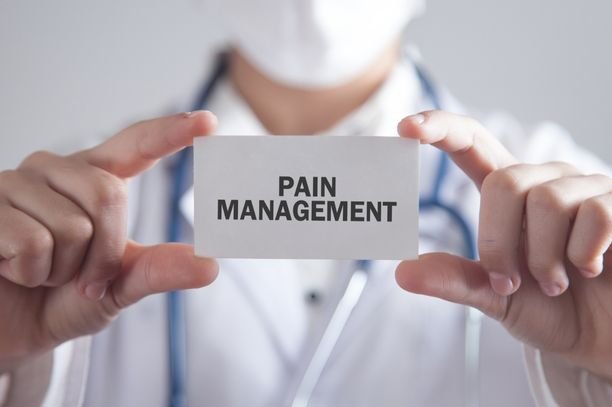

Pain Management During Cancer Treatment
Pain relief is integrated alongside:
Chemotherapy
Immunotherapy
Radiation therapy
Surgical recovery
Proper pain control helps patients tolerate treatment better and recover faster.
Palliative & Supportive Care
Pain management is an essential part of palliative care, focusing on comfort at any stage of illness. It helps:
Reduce physical discomfort
Ease emotional distress
Improve sleep and appetite
Support dignity and well-being
Open Communication Matters
Patients are encouraged to openly discuss pain levels and concerns. Regular monitoring ensures:
Timely adjustments to treatment
Prevention of severe pain episodes
Improved long-term comfort
Why Pain Management Is Important
Enhances quality of life
Improves treatment adherence
Reduces anxiety and fatigue
Supports physical and emotional healing
Compassionate Care for Lasting Relief
Effective pain management is about more than medication—it’s about listening, understanding, and responding to each patient’s needs. With a personalised approach, patients receive comfort-focused care that supports both body and mind.