Hormonal Therapy
Hormonal Therapy
Hormonal therapy is a cancer treatment that works by blocking or reducing hormones in the body that help certain cancers grow. It is commonly used in hormone-sensitive cancers such as breast cancer and prostate cancer.
Unlike chemotherapy, hormonal therapy does not directly kill cancer cells. Instead, it slows or stops cancer growth by cutting off the hormones the cancer depends on.
How Hormonal Therapy Works
Some cancers grow in response to natural hormones like estrogen or testosterone. Hormonal therapy works by:
Lowering hormone levels in the body
Blocking hormones from attaching to cancer cells
Stopping cancer cells from receiving growth signals
This helps control cancer growth and reduces the risk of recurrence.
When Is Hormonal Therapy Used?
Hormonal therapy may be recommended:
After surgery or radiation to prevent cancer from coming back
Before other treatments to shrink tumors
For advanced or metastatic cancers
As long-term maintenance therapy
Types of Hormonal Therapy
Common forms include:
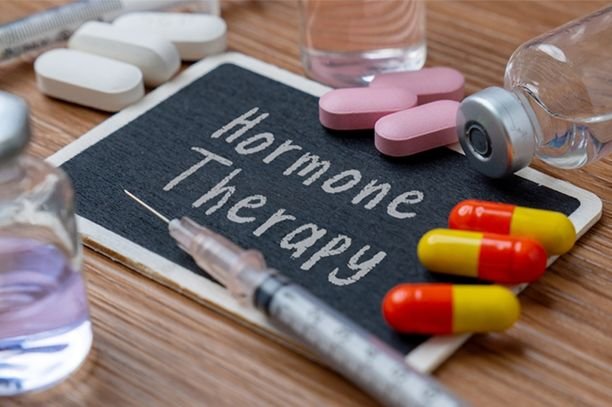
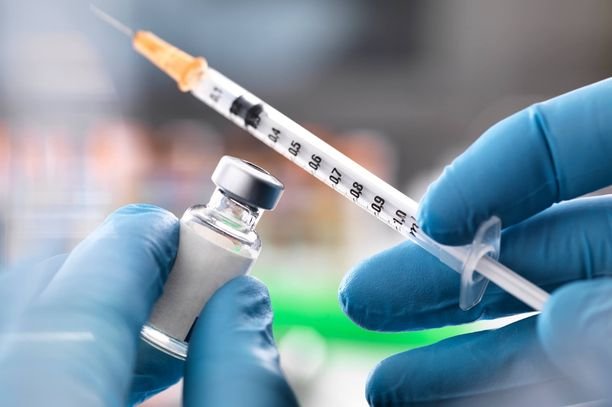
Hormone-blocking tablets or injections
Drugs that reduce hormone production
Therapies that block hormone receptors
Your doctor selects the most suitable option based on your cancer type and stage.
Benefits of Hormonal Therapy
Effective for hormone-sensitive cancers
Usually well tolerated
Lower toxicity compared to chemotherapy
Can be used long-term
Helps improve survival and quality of life
Possible Side Effects
Side effects vary depending on the therapy and patient. They may include:
Hot flashes
Fatigue
Mood changes
Joint or muscle pain
Changes in bone density
Most side effects are manageable with medical support and lifestyle adjustments.
Personalised Treatment Approach
Before starting hormonal therapy, doctors assess:
Hormone receptor status of the tumor
Overall health and age
Treatment goals and preferences
This ensures a safe, effective, and personalised treatment plan.
Living Well During Hormonal Therapy
Many patients continue their normal daily activities during treatment. Regular follow-ups help manage side effects and maintain long-term health.
A Gentle Yet Powerful Treatment Option
Hormonal therapy plays a crucial role in controlling certain cancers, offering an effective and patient-friendly treatment option when used appropriately.