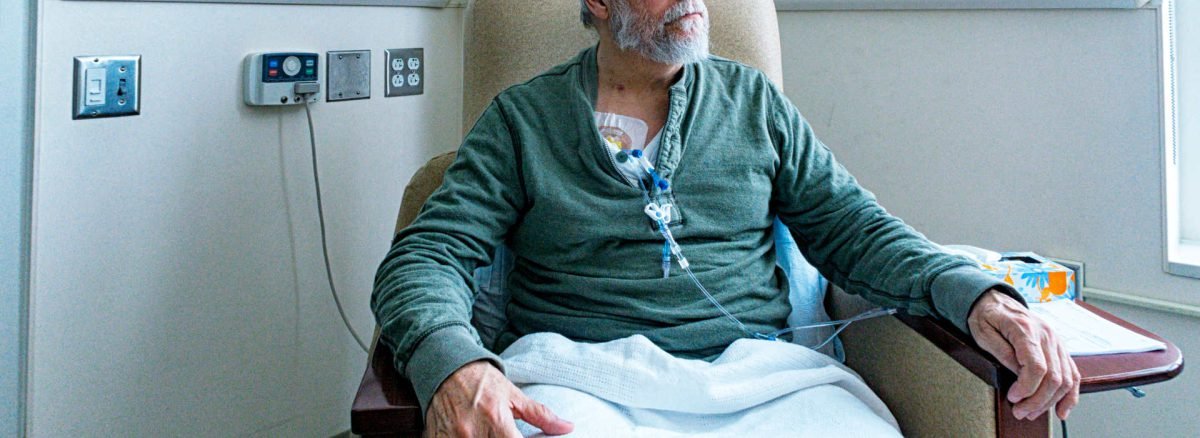
Cancer is more common with increasing age, but treating cancer in older adults is not the same as treating younger patients. Seniors often have unique medical, physical, and emotional needs. This is where Geriatric Oncology plays a vital role.
Geriatric oncology focuses on providing cancer treatment that is effective, safe, and tailored to the overall health and quality of life of older adults.
Why Cancer Treatment in Older Adults Needs a Different Approach
As we age, our bodies respond differently to illness and treatment. Many older adults may also have other health conditions such as diabetes, heart disease, or arthritis.
Geriatric oncology takes into account:
- Overall physical fitness
- Presence of other medical conditions
- Daily functional ability
- Cognitive health
- Emotional well-being and personal goals
The aim is not just to treat cancer, but to maintain independence and quality of life.
Age Is Not the Only Factor
A common myth is that older patients cannot tolerate cancer treatment. In reality, biological age matters more than chronological age.
Some 75-year-olds are fit and active, while others may need gentler treatment. Geriatric oncology helps doctors decide:
- Who can safely receive standard treatment
- Who needs modified or less intensive therapy
Comprehensive Geriatric Assessment
Before starting treatment, a detailed evaluation is done to understand the patient’s overall health. This assessment looks at:
- Strength and mobility
- Nutritional status
- Memory and cognitive function
- Existing medications
- Social and family support
This helps doctors create a treatment plan that is both effective and well-tolerated.
Personalized and Gentler Treatment Plans
In geriatric oncology, treatment may be adjusted by:
- Choosing lower-toxicity drugs
- Modifying doses
- Using targeted therapy or immunotherapy when suitable
- Focusing on symptom control and comfort
The goal is to achieve the best possible outcome with the least burden.
Managing Side Effects and Safety
Older adults may be more sensitive to side effects. Special attention is given to:
- Preventing infections
- Managing fatigue and weakness
- Avoiding falls and hospitalizations
- Monitoring drug interactions
Supportive care is an essential part of treatment.
Quality of Life Matters Most
For many older patients, treatment goals may include:
- Staying independent
- Minimizing hospital visits
- Reducing pain and discomfort
- Spending meaningful time with family
Geriatric oncology respects these priorities and aligns treatment accordingly.
Emotional and Family Support
A cancer diagnosis can be overwhelming at any age. Older adults may also face loneliness or anxiety. Geriatric oncology emphasizes:
- Clear communication
- Family involvement in decision-making
- Emotional and psychological support
When Is Geriatric Oncology Helpful?
Geriatric oncology is especially important for:
- Patients over 65 years
- Those with multiple health conditions
- Frail or less physically active seniors
- Patients concerned about quality of life
In Summary
Geriatric oncology recognizes that older adults are not just “older patients”—they are individuals with unique needs. By focusing on personalized care, safety, and quality of life, geriatric oncology ensures that seniors receive the right treatment at the right intensity.