Chemotherapy
Chemotherapy
Chemotherapy is one of the most commonly used treatments for cancer. It uses special medicines to destroy cancer cells or stop them from growing and spreading. Chemotherapy can be given alone or in combination with other treatments such as surgery, radiation therapy, targeted therapy, or immunotherapy.
How Chemotherapy Works
Cancer cells grow and divide faster than normal cells. Chemotherapy drugs are designed to target these rapidly dividing cells, helping to:
Shrink tumors
Kill remaining cancer cells after surgery or radiation
Control cancer growth in advanced stages
Reduce symptoms and improve quality of life
When Is Chemotherapy Used?
Chemotherapy may be recommended:
Before surgery (to reduce tumor size)
After surgery (to lower the risk of recurrence)
As the main treatment when surgery is not possible
Along with radiation or other systemic therapies
How Chemotherapy Is Given
Chemotherapy can be administered in different ways, depending on the cancer type and treatment plan:
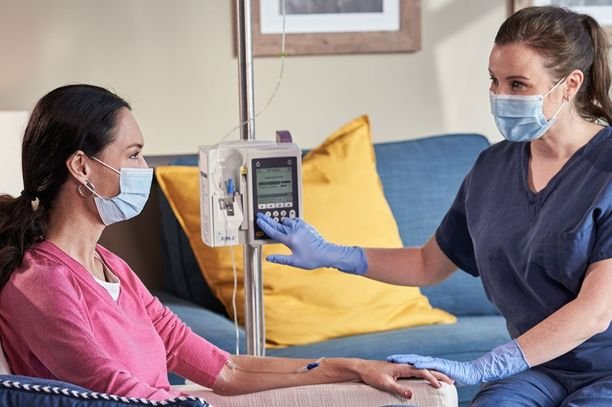
Through a vein (IV infusion)
Oral tablets or capsules
Injections
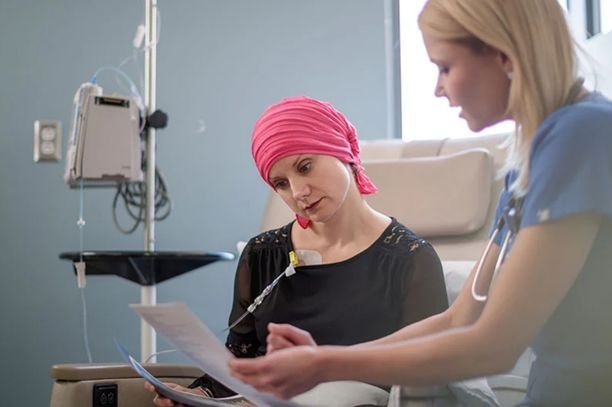
Through special ports or catheters
Common Side Effects
Because chemotherapy can also affect some healthy fast-growing cells, side effects may occur. These can include:
Fatigue
Nausea or vomiting
Hair loss
Low blood counts
Increased risk of infections
Not all patients experience the same side effects, and modern supportive care helps manage them effectively.
Managing Side Effects
Today’s chemotherapy treatments are much safer and better tolerated. Supportive care includes:
Anti-nausea medications
Blood count monitoring
Nutritional guidance
Infection prevention strategies
Your care team closely monitors you throughout treatment to ensure safety and comfort.
Is Chemotherapy Right for Everyone?
Chemotherapy is not the same for every patient. The choice of drugs, dosage, and schedule is personalized based on:
Type and stage of cancer
Overall health and age
Genetic and molecular characteristics of the tumor
Treatment goals
Life During Chemotherapy
Many patients are able to continue daily activities during chemotherapy with some adjustments. Staying active, eating well, and maintaining emotional support can make treatment easier.
A Personalized & Compassionate Approach
Chemotherapy today is not just about killing cancer cells—it is about treating the patient as a whole. With careful planning, monitoring, and supportive care, chemotherapy can be an effective and manageable part of cancer treatment.